




What to expect after surgery

Pain Control
Immediately after surgery there is a moderate amount of discomfort. You will be given pain medicine by your nurse through your IV. We cannot remove all of the pain post-operatively but we will try to keep you as comfortable as possible.
Tell your nurses and physician if you are having pain, particularly if it keeps you from moving, taking deep breaths, or feeling comfortable. Everyone is different, so keeping your nurses informed about how you feel will help them help you.

Activity
With the help of your nurse, you should sit up and dangle your feet the night of surgery and stand at your bedside. If your surgery was in the early part of the day, you will be asked to get out of bed and walk. Starting the first day after surgery, you will be required to walk at least three to four times per day and to do your leg and breathing exercises hourly. Walking is extremely important for the prevention of blood clots.

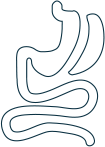
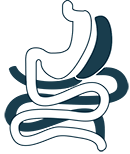
Gastric Bypass
At the hospital, you will be served water on the first postoperative day, sugar-free clear liquids on day two, and protein drinks on day three as your new stomach pouch begins to heal. If you are doing well with no adverse signs, you will go home on day two and move on to protein drinks the next day at home. Most likely, you will not feel hungry the first week or so after surgery. This is normal with no reason for concern and may last a few weeks. However, it is very important to keep drinking water and to consume protein when at home to prevent dehydration and to promote healing.

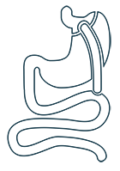
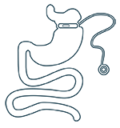
Adjustable Gastric Band
After surgery, you will have an Esophagram performed in Radiology. This is a set of x-rays taken after drinking liquid that will show the placement of the Band and how well fluid passes through your new Band. After these pictures are reviewed, you will start on liquids with protein drinks and be prepared for discharge home.

Urinary/Bowel Movements
Gastric Bypass patients will have a Foley catheter in your bladder to drain the urine after surgery. This will stay in for approximately 1 day. You probably will not have a bowel movement for a few days after surgery, but you should begin to pass gas in 3-5 days.

Abdomonal Drain (only for Gastric Bypass)
After surgery if you will have a tube with a bulb on the end of it coming out of your abdomen. This will help drain off fluid as well as assist in checking for leaks. If your surgery is done laparoscopically your drain will be pulled out before you go home on the day of discharge.

Exercises That Speed up Recovery

To enhance your recovery, your nurse will instruct you in coughing and deep breathing, turning in bed and exercising your feet and legs. You will be shown how to use an “incentive Spiro meter” to help you expand your lungs. Coughing and deep breathing is important so that you will loosen any secretions that may be in your throat or lungs and to help prevent pneumonia.  Deep breathing also increases circulation and promotes elimination of anesthesia.

The proper way to deep breathe and cough is to follow these steps:

  1. Inhale as deeply as you can
  2. Hold breath for two seconds
  3. Exhale completely
  4. Repeat the above steps three times
  1. Inhale deeply
  2. Hold breath for two seconds
  3. Cough. The cough should come from the abdomen, not from your throat. Hold your pillow on your abdomen for support

Exercising your feet and legs is important for promoting good circulation.

The proper way to exercise your feet and legs is to follow these steps:

  1. Push your toes of both feet towards the end of the bed (as in pressing down on a gas pedal)
  2. Pull your toes toward the head of your bed, then relax
  3. Circle each ankle to the right, then to the left
  4. Repeat the above steps three times

These exercises should be repeated at least once every hour after surgery, but it is also a good idea to practice these exercises before surgery to increase lung function and agility.